Basement Leak Repair: An Engineer’s Guide for DMV Homeowners
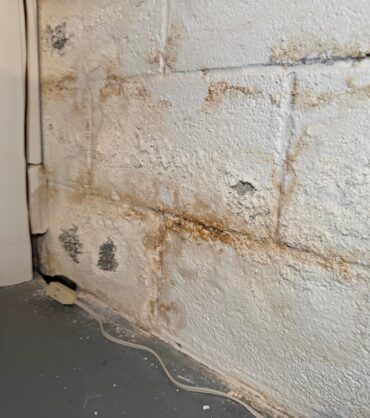
In any given month, our crews see the same basement leak repair pattern across the DMV: an Arlington Cape Cod with water entering at the floor-wall joint, a Vienna split-level with efflorescence on the block wall, or a Burke colonial where the sump pump runs every 15 minutes after a storm. Different houses, same root cause: water is finding a path into the basement, and that path has to be identified before it can be stopped.
At DMV Waterproofing, we treat a basement leak as a symptom, not a cause. The real question is what is forcing water in: hydrostatic pressure, a leaking cove joint, a wall crack, porous block, a failed sump system, poor grading, window well drainage, or several small problems working together.
This guide explains where basement leaks come from, how to diagnose the source, what real repair looks like, why quick fixes fail, what cost and timeline to expect, and how to choose a contractor without getting pushed into the wrong system.
Where Basement Leaks Come From in DMV Homes
Basement leaks in Washington DC, Maryland, and Northern Virginia are shaped by local soil, weather, construction age, and drainage patterns. A 1960s brick rambler, a 1980s colonial, a Capitol Hill rowhouse, and a newer Reston townhome may look different, but the physics are the same.
Piedmont Clay Soil Holds Water
Much of the region sits on heavy clay soil that drains slowly after repeated storms. Our guide to
Piedmont clay soil and the DMV water table explains how saturated soil holds water against foundation walls and increases hydrostatic pressure.
Freeze-Thaw Cycles Open Small Pathways
Each winter, water enters small cracks, pores, and mortar joints, then expands as it freezes. Over time, freeze-thaw cycles widen hairline cracks in poured concrete and weaken mortar joints in block foundations.
Heavy Storms Overwhelm Surface Drainage
Spring rain and summer thunderstorms overwhelm gutters, downspouts, window wells, and low areas near the foundation. Sometimes a basement leak starts outside the basement: a short downspout, clogged gutter, negative grade, or buried discharge line sends water directly toward the wall.
Older and Newer Homes Fail Differently
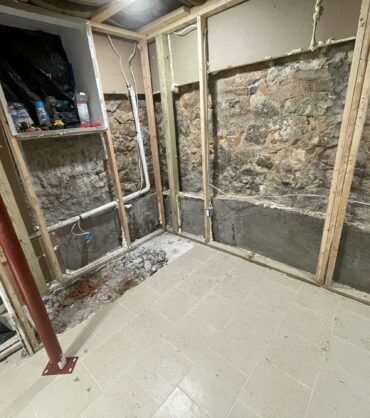
Older 1960-1990 DMV homes often have block, stone, or early poured foundations not designed for the water pressure their lots now produce. Newer fill-graded subdivisions in Bristow, Brambleton, and Clarksburg can develop perched water above compacted fill layers. Your foundation type changes the moisture risk, so a real diagnosis matters before repair.
How to Diagnose a Basement Leak Before You Repair It
The repair method depends on where the water enters, when it appears, and what secondary signs show up nearby. Basement leak repair should start with diagnosis, not a product.
Find Where the Water Enters
Trace the wet area back to its source. Cove joint seepage points to pressure at the footing line. Wall seepage points to cracks, porous block, or mortar joints. Water from above points to gutters, grading, or window wells.
Check When the Water Appears
Water right after rain points to surface drainage failure. Water one or two days after rain points to hydrostatic pressure from saturated soil. Year-round seepage points to a high water table.
How groundwater moves into your foundation explains why timing matters in diagnosis.
Look for Secondary Signs
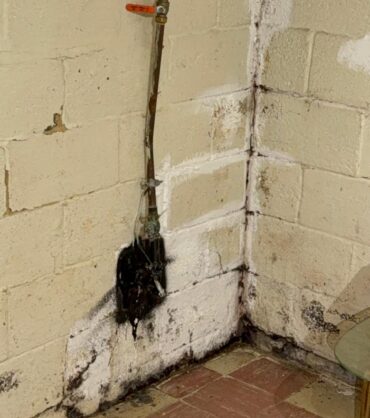
Efflorescence, peeling paint, musty odor, mold at the rim joist, and warped trim show how long the leak has been active and how deep moisture has migrated. Compare what you see with the
signs your basement needs waterproofing.
Know When to Stop Diagnosing Yourself
Call a professional if water is actively entering during a storm, the water level is rising, structural cracking is visible, or electrical equipment is near the wet area.
What a Real Basement Leak Repair Looks Like
From an engineering perspective, basement leak repair is like managing a small drainage system around your house. The cosmetic patch you can buy at a hardware store does not move water. A real repair does. The system you need depends entirely on what we find.
Step 1: Diagnostic Inspection
A trained technician, not a salesperson, inspects the leak and writes a diagnostic report covering the basement wall, floor-wall joint, sump basin, exterior grading, gutters, downspouts, window wells, discharge lines, cracks, and signs of repeated water entry.
Step 2: Choose the Repair Based on the Source
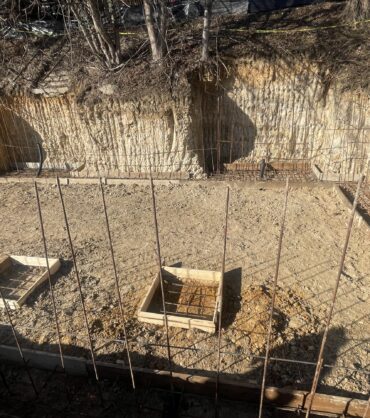
A leaking cove joint may require footing-line drainage. A poured wall crack may require polyurethane or epoxy injection. Chronic perimeter seepage may require interior drainage and a sealed sump system. Severe wall failure may require exterior excavation and membrane waterproofing. The right approach also depends on whether
interior vs exterior basement waterproofing makes more sense for the home.
Step 3: Repair Cove Joint Leaks with Drainage
For many DMV homes, the most common basement leak repair scenario is water entering at the cove joint. The goal is to collect water at the footing line and move it to a sealed sump basin before it reaches the finished basement.
Step 4: Repair Wall-Source Leaks Correctly
For poured concrete cracks, injection works when the crack is stable and the wall is not moving. For block walls, water may travel through hollow cores or mortar joints, so the repair often needs drainage and wall-side water management instead of a surface patch.
Step 5: Use a Sealed Sump Basin and Reliable Pump
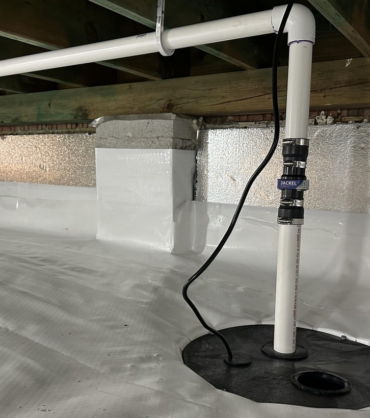
A sump system should not be an open pit. A properly designed system includes a sealed basin, cast-iron primary pump, discharge line, and battery backup. Cheap pumps fail at the worst moment, during heavy rain or power loss.
Step 6: Correct Above-Grade Water Sources
Downspout extensions, grading improvements, window well drainage, and discharge correction reduce the water load on the foundation. Drainage works better when the outside water source is reduced.
Step 7: Verify the Repair After a Rain Cycle
The repair is tested under real conditions. After a full rain cycle, the homeowner sees that the leak has stopped, the pump is working, and the water is being controlled.
Why Quick-Fix Basement Leak Repairs Fail in the DMV
Paint-on sealers do not relieve hydrostatic pressure. They hide dampness for a season, then peel when water pressure builds behind them. Hydraulic cement at a leaking cove joint stops water in one spot temporarily, but the pressure moves to the next weak point. A sump pump without perimeter drainage runs constantly while the wall still gets wet. Big-box crack repair kits help with small, dry, non-structural cracks, but they are not designed for cracks under active hydrostatic pressure.
Until you fix the source, the leak keeps returning. This is the difference between cosmetic remediation and engineered repair. The
EPA moisture control guidance makes the same point: moisture control is the foundation of mold prevention.
What Basement Leak Repair Costs in the DMV
Cost depends on leak source, basement size, foundation type, finish level, and whether exterior work is required. Cove joint sealing: $500 to $2,000. Crack injection: $400 to $1,500 per crack. Interior drainage with sealed sump (most common): $4,500 to $10,000. Exterior excavation with membrane: $8,000 to $18,000.
For regional context, see
basement waterproofing cost in Maryland. 0% APR financing through Wisetack available for larger projects. Once the basement is dry, the
ENERGY STAR sealing and insulating guide is a useful follow-up reference.
How Long Does Basement Leak Repair Take?
Cove joint sealing or crack injection is typically completed in one working day. Interior drainage with a sump system takes two to four working days. Exterior excavation and membrane waterproofing takes four to seven days depending on access, soil, depth, and weather. We work in-house only, never subcontractors, so the crew that performs the repair follows the diagnostic plan from the inspection.
How to Tell a Real Basement Leak Repair Contractor From a High-Pressure Sales Operation
A good contractor should explain why water is entering before recommending how to stop it.
Red Flags
- Same-day-signing pressure or “today only” pricing
- No written diagnostic report
- Vague warranty terms with hidden conditions
- Subcontracted crews you never meet
- One-size-fits-all system recommendations
- No discussion of soil, water table, gutters, grading, or foundation type
- Promises that paint, patching, or a pump alone will solve pressure problems
Green Flags
- Free written inspection with clear findings
- In-house crews and direct accountability
- Transparent financing disclosure
- Specific system details, not generic “waterproofing”
- Willingness to say when you do not need a full system
- County-specific experience with DC, Maryland, and Northern Virginia homes
Why DMV Homeowners Choose DMV Waterproofing
- Engineer-founded since 2005 by UDC civil engineering graduates
- Offices in Rockville (North Bethesda), Ashburn, and Manassas
- In-house crews only, no subcontractors
- Free written diagnostic inspection
- 0% APR financing through Wisetack
- Lifetime transferable warranty on encapsulation systems
- Serves DC, Maryland (Montgomery, Frederick), and Northern Virginia (Loudoun, Fairfax, Prince William)
To understand the full system behind leak repair, read our sister guide on
how to waterproof a basement. For a broader repair plan, review
our basement waterproofing service. We also provide local guidance for
basement waterproofing in Ashburn, VA and
basement waterproofing in Manassas, VA.
Frequently Asked Questions
How do I know if my basement leak is from hydrostatic pressure or surface water?
Water that appears immediately during rain often points to gutters, grading, window wells, or above-grade drainage. Water that appears hours or days after rain often points to saturated soil and hydrostatic pressure. A diagnostic inspection checks both before recommending repair.
Can I repair a basement leak myself?
You can extend downspouts, clear gutters, and keep water away from the foundation. Active seepage, cove joint leaks, sump failures, structural cracks, and repeated water entry need professional evaluation. DIY patching can hide the symptom while the pressure remains.
Is interior drainage or exterior excavation better for a leaking basement?
Neither is automatically better. Interior drainage is often the most practical solution for cove joint seepage and perimeter leaks. Exterior excavation may be appropriate when the wall, membrane, or drainage system has failed and access allows the work.
How long does basement leak repair last?
A properly matched repair lasts for many years when it addresses the source of the water. If a leak is patched without drainage correction or pressure relief, the problem can return. Longevity depends on diagnosis, installation quality, and water management.
Will basement leak repair require tearing out my finished basement?
Not always. Some repairs require limited access, while interior drainage may require opening a section of wall or flooring along the perimeter. We explain what must be opened, protected, or restored before work begins.
Does basement leak repair increase home resale value?
It protects resale value by documenting that a known water problem was professionally corrected. Buyers are more comfortable with written repair records, warranty information, and a dry basement than with stains, odor, or unexplained patching.
Schedule a Free Basement Inspection
A basement leak does not need panic, but it does need a real diagnosis. If you are seeing cove joint seepage, wall cracks, efflorescence, musty odor, sump pump issues, wet carpet, or rising humidity, schedule a free basement inspection. Call
1-833-888-2533 or visit
dmvwp.com. We will send a trained technician, not a salesperson, to inspect, explain what is happening, and give you an honest repair plan. Our Rockville, Ashburn, and Manassas offices cover Washington DC, Maryland, and Northern Virginia.