

Basement Waterproofing Manassas VA: 7 Proven Steps Every Prince William Homeowner Should Know
Rockville, MD·Kensington, MD·Ashburn, VA·Manassas, VA

Basement Waterproofing in Manassas, VA: An Engineer’s Guide for Prince William County Homeowners

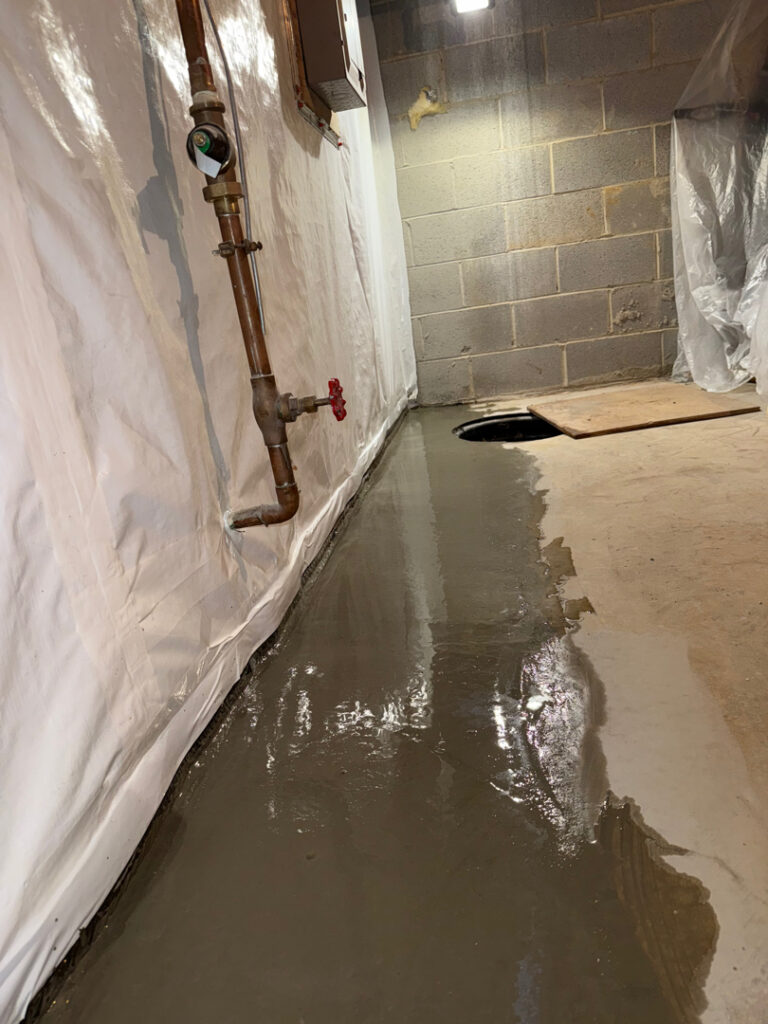
basement waterproofing in Manassas VA home with engineer-installed interior drainage system

Basement Waterproofing in Manassas, VA: An Engineer’s Guide for Prince William County Homeowners

David, a homeowner in Manassas, first noticed water along the floor-wall joint after a heavy spring storm rolled through the Bull Run watershed. He searched for basement waterproofing Manassas because the damp line near the wall was no longer a one-time cleanup problem. That is how many basement water problems begin in Prince William County. A sump pump runs more often than it used to. White powder appears on the wall. A finished basement starts to smell musty after rain. From an engineering perspective, water entering the basement is a symptom. The cause matters more than the stain. At DMV Waterproofing, we diagnose the source first, then design the system around the actual water condition. One Manassas home may need full interior drainage while a neighbor’s identical model only needs downspout extensions and grading correction. The system you need depends entirely on what we find.

Why Basements in Manassas Get Wet

Manassas and Prince William County homes face a specific mix of soil, watershed behavior, terrain, age, and storm patterns. Generic basement advice often misses the local conditions that affect homes in 20109, 20110, 20111, and 20112.

1. Piedmont Clay Soil Holds Water

Manassas sits on the same Northern Virginia clay belt that affects much of the DMV. Heavy Piedmont clay soil expands when wet, shrinks when dry, and holds water against foundation walls after storms. When that water stays in the soil, it creates hydrostatic pressure against the basement wall.

2. Bull Run and Occoquan Watersheds Affect Groundwater Behavior

Some neighborhoods in and around Manassas are influenced by the Bull Run and Occoquan watershed areas. This does not mean every property has the same water table, but it does mean stormwater flow, lot grading, and groundwater behavior should be evaluated carefully before choosing a repair.

3. Prince William County Terrain Is Mixed

Some homes sit on sloped lots that drain toward creeks or low areas. Others are in flatter subdivisions built on graded fill. Older Manassas homes may have block walls, stone foundation sections, or older sump systems. Newer Bristow, Gainesville, Haymarket, and Lake Ridge area homes may have poured concrete walls and finished basements that hide early warning signs.

4. Seasonal Storms Overwhelm Yard Drainage

Heavy spring rain, summer thunderstorms, and winter snowmelt can overwhelm downspouts, yard drains, and low spots near the foundation. Once the soil is saturated, water pressure increases and basement waterproofing becomes a water-management issue, not just a wall-sealing issue.

Common Signs Your Manassas Basement Needs Waterproofing

Basement water problems are not always visible as standing water. Some signs appear as odor, humidity, staining, or changes in how the basement feels.
  • Efflorescence, or white powder, on concrete or block walls
  • Water seepage at the cove joint after storms
  • Musty smell in the basement or first floor
  • Cracks that weep moisture
  • Sump pump cycling more often than it used to
  • Rising basement humidity even when no leak is visible
  • Mold or mildew on walls, boxes, trim, or insulation
  • Peeling paint, bubbling coatings, or damp drywall
  • Rust on steel beams, posts, appliances, or stored tools
  • Stair-step cracking in older block foundations
Older Manassas homes with block foundations deserve special attention when stair-step cracks appear with dampness. Those cracks can signal pressure, movement, or repeated moisture at the wall. Our guide to signs your basement needs waterproofing explains how these symptoms often develop before a major leak appears.

Basement Waterproofing Manassas: What a Real System Includes

Proper basement waterproofing Manassas homeowners can rely on is not based on one coating, one pump, or one sales script. It starts with understanding where water is coming from and why it is entering the home.

Step 1: Diagnose the Water Source

We inspect the basement, foundation walls, floor-wall joint, sump basin, exterior grading, gutters, downspouts, patios, window wells, and discharge lines. We look for active water, moisture staining, wall cracks, vapor, sump failure, poor drainage, and signs that finished walls may be hiding water.

Step 2: Understand the Foundation Type

Poured concrete, block, stone, and crawl space foundations all behave differently. That is why foundation type affects moisture risk. A block wall with stair-step cracks may need a different repair plan than a poured concrete wall with seepage at one vertical crack.

Step 3: Choose Interior or Exterior Waterproofing

Interior waterproofing manages water after it reaches the footing area. Exterior waterproofing blocks water before it reaches the wall. Neither approach is automatically better. Our guide to interior vs exterior basement waterproofing explains how access, soil conditions, cost, foundation type, and water source affect the decision.

Step 4: Install Drainage at the Footing Line When Pressure Is Present

If hydrostatic pressure is pushing water toward the basement, drainage at the footing line may be needed. Interior drainage collects water before it spreads across the slab or enters through the cove joint. The water is directed to a sealed sump basin instead of being left to search for the next weak point.

Step 5: Use a Sealed Sump Basin and Reliable Pump

A sump system should be more than an open pit in the basement floor. A properly designed system uses a sealed basin, reliable pump, discharge line, and battery backup where appropriate. In Manassas storms, power loss and heavy rain can arrive together, so backup protection may be part of the recommended plan.

Step 6: Manage Vapor, Humidity, and Air Movement

Waterproofing is not only about visible water. Vapor and humidity also affect basements. A basement can feel damp even when no puddle is present. We evaluate whether vapor management, air sealing, dehumidification, or related lower-envelope work is needed. If moisture is also entering through a connected crawl space, crawl space encapsulation may be part of the larger solution. Done correctly, sealing and air management also align with ENERGY STAR’s sealing and insulating guidance.

Step 7: Correct Exterior Drainage

Interior systems manage water that reaches the foundation. Exterior corrections reduce the amount of water that gets there. Downspout extensions, grading improvements, window well correction, and discharge upgrades can reduce pressure against the wall and improve long-term performance.

Why Quick Fix Approaches Fail in Manassas

From an engineering perspective, painting over a wet basement wall is like covering a pressure gauge with tape. It may hide the warning sign, but it does not reduce the pressure. Drylok and paint-on sealers do not relieve hydrostatic pressure. Hydraulic cement applied to a leaking cove joint may stop water in one spot, but the pressure often pushes water to the next weak point. Adding a sump pump without addressing perimeter drainage may leave the pump running constantly while the wall still stays wet. Until you manage the pressure source, the symptoms keep returning. If groundwater is the driver, it helps to understand how groundwater moves into your foundation. Our article on underground water in DMV basements explains why water pressure often appears after repeated storms, and the EPA’s moisture control guidance reinforces the same principle: control water and humidity at the source. This is the difference between cosmetic remediation and engineered repair. A stain can be cleaned. A wall can be painted. But if water is still collecting outside the foundation, the basement waterproofing system has not solved the problem.

How Long Does Basement Waterproofing Take?

Most Manassas basement waterproofing projects with interior drainage and a sump system take two to four working days. Smaller work, such as cove joint sealing, sump pump replacement, or discharge correction, may take one working day. Exterior excavation and waterproofing typically takes four to seven working days, depending on access, depth, utilities, soil conditions, and weather. Finished basements can add time because flooring, trim, drywall, built-ins, or stored belongings may need protection or removal along the work area. We explain that scope before work begins so the homeowner understands what will be opened, protected, and restored. We work in-house only, never subcontractors. Because DMV Waterproofing has a local Manassas office, response and crew dispatch are usually fastest in Prince William County and nearby communities.

What Does Basement Waterproofing Cost in Manassas?

Cost depends on the size of the basement, the water source, whether the basement is finished, sump pump needs, drainage requirements, access, and whether exterior work is required. A simple pump replacement is very different from full perimeter drainage or exterior excavation. We provide a written, itemized estimate after inspection. If you are comparing budgets, our guide to basement waterproofing cost in Maryland gives useful regional context, but every Manassas home still needs its own diagnosis. The lowest price is not always the lowest cost. A cheap patch that does not relieve pressure can lead to repeated repairs, damaged finishes, mold cleanup, and lost use of the basement.

Why Manassas Homeowners Choose DMV Waterproofing

  • Engineer-founded since 2005: DMV Waterproofing was founded by two civil engineers who graduated from the University of the District of Columbia.
  • Local Manassas office: Our Prince William County service routes are supported by a local office, which helps with scheduling and response time.
  • In-house crews only: We do not use subcontractors for basement waterproofing installations.
  • Local service area: We serve Manassas, Manassas Park, Bristow, Gainesville, Haymarket, Lake Ridge, and ZIP codes 20109, 20110, 20111, and 20112.
  • Free written inspection: You receive a clear explanation of what is happening and what repair fits the home.
  • Honest system design: One Manassas home may need full interior drainage while another only needs downspout extensions and grading correction.
  • Financing options: 0% APR financing is available through Wisetack for qualified homeowners.
  • Warranty options: Warranty coverage depends on the system installed and is explained before work begins.
If your home needs a broader solution, we can also evaluate our basement waterproofing service and explain which parts apply to your property.

Frequently Asked Questions

How much does basement waterproofing cost in Manassas, VA?

Cost depends on basement size, water source, finish level, sump pump needs, drainage requirements, and whether exterior work is required. A small repair or pump replacement costs less than full perimeter drainage or excavation. DMV Waterproofing provides a written estimate after inspection.

When does a wet basement need same-week attention?

Schedule an inspection quickly if water enters after every rain, the sump pump runs constantly, finished walls or flooring are wet, or mold growth is visible. You should also act quickly if water is near electrical equipment, HVAC equipment, or stored belongings.

Can I fix basement water problems myself?

Homeowners can extend downspouts and improve surface drainage, but active seepage, cove joint leaks, sump failures, and hydrostatic pressure need professional evaluation. DIY coatings often hide symptoms without managing the water source. If water keeps returning, the repair needs to address pressure, drainage, or foundation conditions.

Is interior or exterior basement waterproofing better?

Neither is automatically better. Interior waterproofing manages water after it reaches the footing area, while exterior waterproofing blocks water before it reaches the wall. The right approach depends on access, foundation type, water source, soil pressure, and whether the basement is finished.

Will the work disrupt my finished basement?

It depends on the scope. Interior drainage may require opening a section of flooring or wall finish along the perimeter. We explain access needs before work begins and provide a clear plan so you understand what will be opened, protected, or restored.

Do you offer a warranty on basement waterproofing?

Yes. Warranty options depend on the system installed. During the estimate, DMV Waterproofing explains what is covered, how long coverage lasts, and whether the warranty is transferable.

Schedule a Free Basement Inspection in Manassas

Basement water problems do not need panic, but they do need a real diagnosis. If you are seeing efflorescence, cove joint seepage, musty odors, sump pump issues, wet finished walls, stair-step cracks, or rising humidity, schedule a free basement inspection with DMV Waterproofing. Call 1-833-888-2533 or visit dmvwp.com to schedule online. We will send a trained technician, not a salesperson, to inspect the basement, explain what is happening, and give you an honest repair plan for your Manassas home. Because our office is local, Manassas and Prince William County scheduling can often be same-week.

Leave A Comment

Your email address will not be published. Required fields are marked *