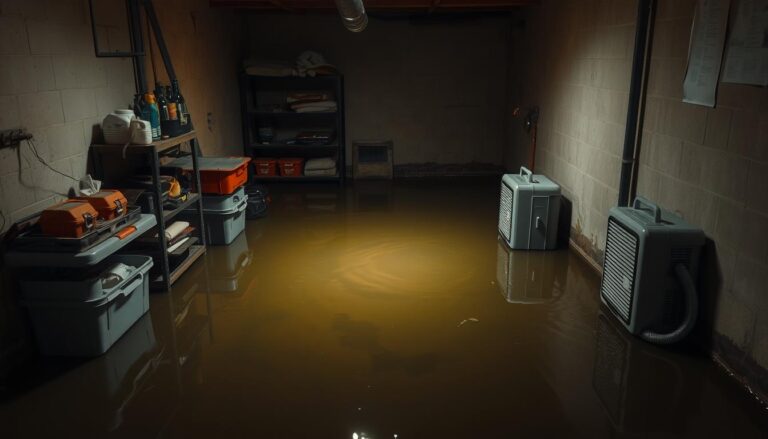
Sarah never expected to find herself ankle-deep in murky water on a Tuesday evening. She had just returned from work when she noticed a strange dampness in the air. As she descended the stairs, her heart sank. Heavy rainfall had overwhelmed the drainage system, and her lower level was now an unwelcome swimming pool.
That moment of panic is something we understand deeply. When water invades your living space, it can feel overwhelming. The stress of dealing with the immediate mess and potential damage to your home can be paralyzing.
We’ve helped countless homeowners in the DMV area—from Washington DC to Rockville, North Bethesda, Manassas, and Ashburn—navigate these exact situations. Whether it’s from severe weather, melting snow, or plumbing issues, we’re here 24/7 at 1-833 888 2533 or via email at info@dmvwp.com.
This guide provides essential information to help you understand the complete restoration process. We’ll walk you through emergency response, safety protocols, and long-term prevention strategies. Our goal is to empower you with knowledge and resources to protect your most valuable investment.
Key Takeaways
- Discovering water in your lower level can be overwhelming, but immediate action is crucial
- Professional assistance is available 24/7 throughout the DMV area for emergency situations
- Understanding the restoration process helps reduce stress during home emergencies
- Proper water removal and drying techniques prevent long-term structural issues
- Identifying the source of water intrusion is the first step toward effective solutions
- Safety should always be your top priority when dealing with water damage situations
- Preventive measures can significantly reduce future risks to your property
Understanding Basement Flooding and Its Risks
When water unexpectedly enters your property’s lower floor, understanding the source becomes critical. We help homeowners identify the root causes and potential hazards associated with water intrusion.
Common Causes of Flooding
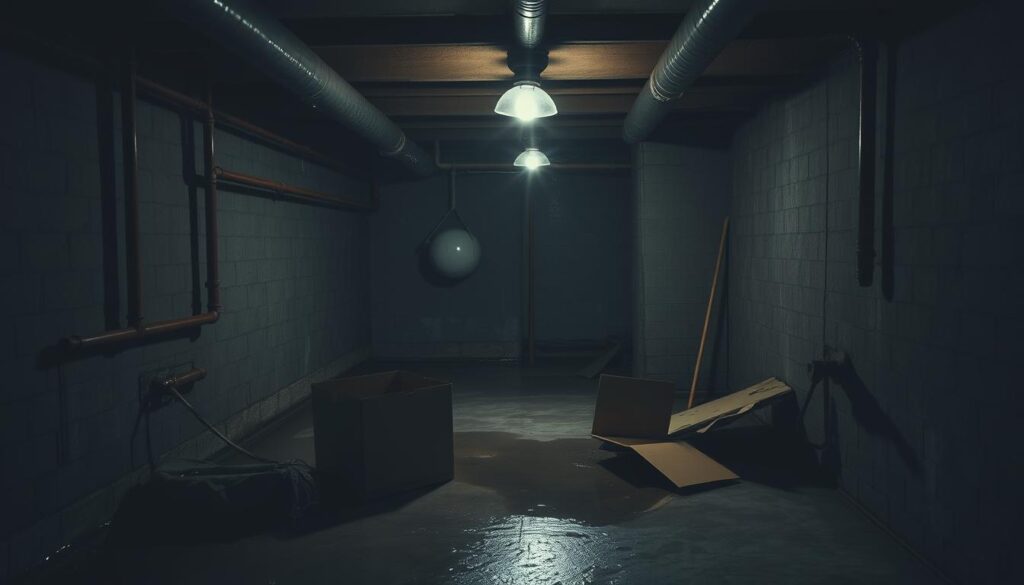
External factors like heavy rainfall and rapid snowmelt often overwhelm drainage systems. These conditions allow moisture to seep through foundation walls or windows.
Internal household issues also contribute significantly. A burst pipe or malfunctioning water heater can release substantial amounts of water quickly. Failed sump pumps and clogged drains are other frequent culprits.
We categorize water into three types for safety assessment. Clean water comes from pipe leaks or rainwater. Gray water originates from appliances like washing machines. Black water from sewage backups requires professional handling due to health risks.
Recognizing Structural and Water Damage
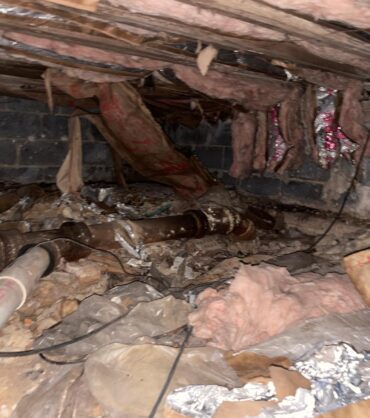
Before entering any affected area, check for visible structural concerns. Foundation cracks, sagging ceilings, or bowing walls indicate potential instability. These signs suggest the space may be unsafe without professional evaluation.
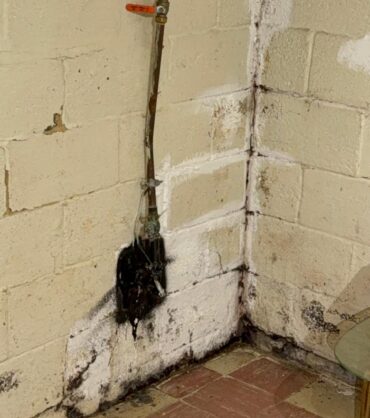
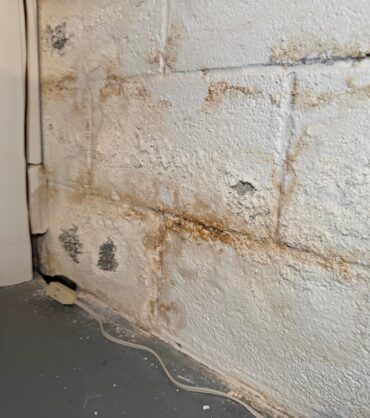
Hidden water damage often manifests through subtle clues. Look for water stains, warped surfaces, or musty odors. Dripping sounds behind walls may reveal concealed moisture issues.
Early recognition of these indicators helps prevent mold growth and protects your home’s integrity. Understanding these signs also improves communication with insurance providers and restoration specialists.
Emergency Actions and Support Contacts
Emergency situations call for systematic approaches, starting with critical safety assessments before any restoration efforts. We guide homeowners through these crucial first steps to ensure everyone’s wellbeing.

Immediate Safety Measures and Power Shut-Off
Your safety comes first—never enter an affected area until you’ve completely shut off the electricity. Standing water and live electrical current create a deadly combination. If your electrical panel is in the affected space, call a qualified electrician immediately.
Check for gas leaks before approaching the area. If you smell natural gas, evacuate immediately and contact your gas provider from a safe location. Many appliances use gas, and extinguished pilot lights can cause dangerous leaks.
Always wear protective gear including rubber boots, gloves, and face masks. These simple steps minimize shock risks and protect against contaminants.
Call Support Center 24/7: 1-833 888 2533
We’re available around the clock to provide immediate help and guidance. Our emergency team can dispatch qualified professionals and walk you through critical safety steps over the phone.
Having a plan in place before disaster strikes makes emergency response much smoother. We encourage homeowners to save our contact information and familiarize themselves with safety protocols.
Local Service Addresses and Contact Info
Our service locations throughout the DMV area ensure rapid response times. We operate from multiple strategic locations for your convenience.
We recommend contacting your home insurance company immediately after ensuring safety. They can provide valuable information about coverage and preferred vendors. For non-emergency inquiries, email us at info@dmvwp.com.
Proper emergency planning involves knowing who to call and when. Our team stands ready to assist with professional power management and safety assessments.
basement flooding repair: Step-by-Step Process
Proper water extraction begins with assessing the depth and type of moisture present. We guide homeowners through systematic approaches that prioritize safety and effectiveness.

Water Extraction and Dehumidification Techniques
The amount of standing water determines your removal strategy. For minimal accumulation under six inches, wet/dry vacuums work effectively. Always remove mud or silt before it hardens.
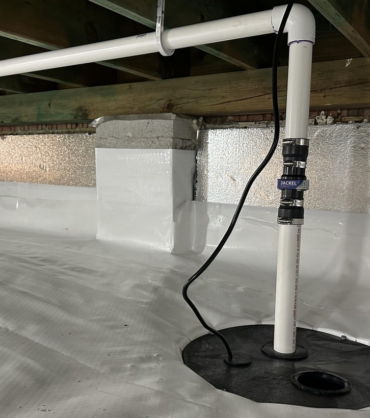
Moderate situations often require mechanical assistance. Renting or installing a sump pump becomes essential for deeper water levels. These devices position in the lowest area to redirect moisture away from your foundation.
We follow FEMA’s critical guideline: never remove more than one foot of water per day. Rapid extraction can cause structural stress from external ground pressure. Pump gradually, mark the level, and monitor overnight.
| Water Level | Recommended Method | Key Considerations |
|---|---|---|
| Under 6 inches | Wet/dry vacuum or mop | Remove debris first; ideal for minor incidents |
| 6 inches to 2 feet | Portable sump pump | Pump slowly; check for electrical safety |
| Over 2 feet | Professional extraction | Heavy-duty equipment; insurance may cover |
| Any level with structural concerns | Immediate professional help | Safety first; avoid DIY approaches |
Effective Sump Pump and Drainage Solutions
After removing standing water, thorough drying prevents secondary damage. We use commercial-grade dehumidifiers and air movers to eliminate residual moisture. Moisture meters help determine equipment run time.
Always check your floor drain system during the repair process. Clogged drains impede water removal and contribute to future problems. Keeping drainage pathways clear ensures proper function.
Battery-powered backup systems provide protection during power outages. These safeguards ensure continuous operation when storms disrupt electrical service. We help select the right equipment for your specific needs.
Cleaning, Drying, and Repairing Damaged Areas
Moving beyond emergency response, we concentrate on comprehensive cleaning and structural assessment. Proper drying prevents mold growth and protects your home’s integrity.
Mold Prevention and Disinfection Methods
We prioritize rapid drying to stop mold colonies from forming. Maintain humidity between 30-50% using dehumidifiers and strategic fan placement.
Clean hard surfaces with a bleach solution while wearing protective gear. Ensure proper ventilation during disinfection to protect your health.
Repair Strategies: DIY Versus Professional Help
Small mold areas under 10 square feet may be suitable for DIY treatment. Larger affected spaces require professional mold removal services.
Electrical systems and appliances need qualified technician inspection. We help determine when expert assistance is necessary for safety.
Essential Tools and Safety Equipment
Proper equipment ensures effective drying and protection. Use moisture meters to verify surfaces are truly dry before starting repairs.
| Equipment Type | Primary Function | Safety Considerations |
|---|---|---|
| Commercial Dehumidifiers | Remove moisture from air | Empty reservoirs regularly |
| Air Movers | Improve airflow circulation | Don’t use near visible mold |
| Moisture Meters | Check material dryness | Verify 15% or less moisture |
| Protective Gear | Ensure personal safety | Gloves, masks, rubber boots |
Allow several days for complete drying before beginning reconstruction. This careful approach prevents future problems and ensures lasting results.
Preventing Future Basement Flooding and Maintenance Tips
After addressing immediate water concerns, smart homeowners focus on long-term prevention strategies. We help you implement solutions that protect your property from future incidents.
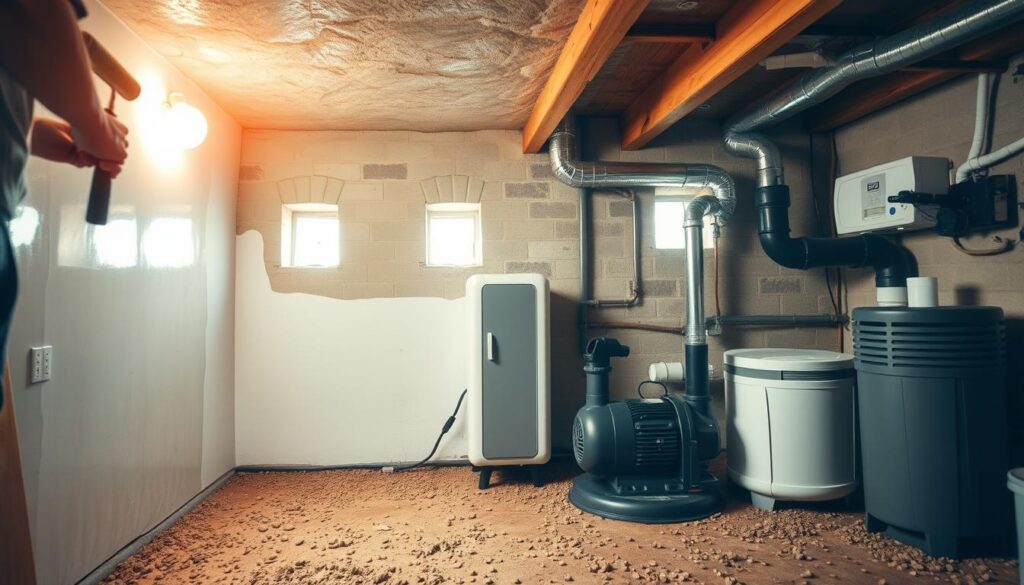
Proper planning now can save you significant stress and expense later. Our team evaluates your specific situation to recommend the most effective approaches.
Upgrading Home Drainage and Waterproofing
Exterior improvements make a dramatic difference in moisture control. We install gutters and downspouts that direct water away from your foundation.
Landscape grading ensures natural water flow moves away from your home. Interior solutions like French drains capture moisture before it becomes a problem.
Leak detection systems provide early warnings near water-using appliances. These devices alert you to shut off supply lines at the first sign of trouble.
For comprehensive protection, foundation encapsulation offers permanent security. Though more expensive, this approach fully seals your space against water intrusion.
Insurance Considerations and Professional Advice
Understanding your coverage is crucial for financial protection. Standard homeowners policies typically exclude storm-related flood damage.
They may cover sudden plumbing failures not caused by neglect. We guide you through documenting damage with photos and detailed lists.
When selecting contractors, obtain multiple written quotes and verify credentials. Check BBB ratings and client testimonials for quality assurance.
Our team provides professional advice tailored to your needs. Call us at 1-833 888 2533 or email info@dmvwp.com for personalized recommendations.
Simple storage changes like elevated shelves and sealed containers minimize potential damage. These practical steps complement your broader prevention strategy.
Conclusion
Knowledge and preparation are your best defenses when dealing with water-related home emergencies. We hope this guide has given you the confidence to handle any situation that may affect your lower level.
Remember that safety always comes first. Never enter standing water without proper precautions. Having a clear action plan makes the entire process more manageable.
Our company is here to support you 24/7. Call us at 1-833 888 2533 for emergency response or expert guidance. We provide comprehensive basement solutions across Washington DC, Maryland, and Virginia.
Save our contact information and share it with neighbors. Being prepared makes all the difference. Your home deserves the best protection.
Whether you need immediate help or preventive advice, our team is ready. Email us at info@dmvwp.com for personalized service. We’re committed to keeping your basement safe and dry for years to come.
FAQ
How do you handle water removal and prevent mold growth?
We use powerful pumps and industrial-grade fans for fast water extraction. Our process includes thorough dehumidification to dry the area completely, which is crucial for stopping mold and mildew from developing and causing further issues.
Can a sump pump really help stop future water problems?
Absolutely. A properly installed and maintained sump pump is a key defense. It automatically removes accumulated water, directing it away from your property's foundation. We can assess your needs and recommend the best system for your home.
Does my home insurance policy typically cover this kind of damage?
Coverage varies greatly by policy. We strongly advise you to contact your insurance company directly to understand your specific plan. We're happy to provide a detailed damage assessment and quote to assist with your claim.
What's the difference between a DIY cleanup and hiring a professional like you?
While you can tackle minor issues, a significant water event often requires professional-grade equipment and expertise. We ensure a deep clean, structural drying, and correct disinfection to protect your house and its contents from hidden, long-term damage.
What maintenance tips can help avoid another incident?
Regular maintenance is key! We recommend checking your gutters, ensuring proper yard grading, and inspecting your drainage systems annually. Consider upgrading your waterproofing for added peace of mind against future surprises.