Did you know that nearly 98% of homes will experience some form of moisture intrusion in their lower levels during their lifetime? This startling statistic highlights why protecting your foundation space is so critical for homeowners across our region.
Moisture problems can strike any residence, regardless of age or construction type. These issues threaten your property’s structural stability and can lead to mold growth that affects your family’s health. Many property owners face these challenges without realizing the long-term consequences.
2025 brings exciting advancements in protection technology that make this the perfect time to implement comprehensive solutions. New systems offer better defense than ever before for residents in Washington DC, Maryland, and Virginia.
This complete guide provides expert insights on identifying problems early and understanding root causes. We’ll cover both immediate repairs and long-term prevention strategies to keep your home safe and dry.
Our team is committed to helping you through every step. We’re available 24/7 at 1-833-888-2533 to answer questions and provide professional service. We serve multiple areas including Washington DC, Rockville MD, North Bethesda MD, Manassas VA, and Ashburn VA.
Key Takeaways
- Nearly all homes experience moisture issues in lower levels during their lifetime
- Moisture problems can affect any home regardless of age or construction
- 2025 offers advanced protection technologies for better home defense
- Early problem identification prevents costly long-term damage
- Comprehensive solutions include both immediate repairs and prevention
- Professional service is available 24/7 for homeowners in our service areas
- Proper protection safeguards both property value and family health
Understanding the Causes of Basement Water Damage
Understanding where moisture originates is the first step toward effective protection for your home’s lower level. We categorize these issues into two main types: external sources where liquid enters from outside, and internal sources where humidity builds up within the space itself.
Common Entry Points and Hydrostatic Pressure
External moisture problems often begin with poor drainage around your property. When gutters overflow or downspouts don’t extend far enough (experts recommend at least 10 feet), surface liquid drains down foundation walls instead of flowing away.
Hydrostatic pressure occurs when groundwater accumulates against your foundation due to inadequate drainage. This creates force that pushes moisture through even tiny cracks and porous concrete. The soil type around your property plays a crucial role too.
Clay soil helps direct liquid away from your home, while sandy soil absorbs it like a sponge. Proper grading ensures runoff moves away from foundation walls rather than pooling against them.
Indoor Sources: Leaks, Moisture, and Mold
Internal humidity issues can be just as problematic as external ones. Leaking or sweating pipes, malfunctioning water heaters, and washing machine hose failures create constant moisture sources.
Even your HVAC system can contribute through condensation if not properly maintained. Inadequate ventilation allows humidity to build up, creating perfect conditions for mold growth. Regular maintenance of appliances and proper airflow help prevent these internal moisture problems.
Recognizing Warning Signs and Damage Indicators
Learning to identify red flags is crucial for protecting your property investment. Early detection helps prevent minor issues from becoming major structural problems. We’ll guide you through the most common indicators that signal foundation space concerns.
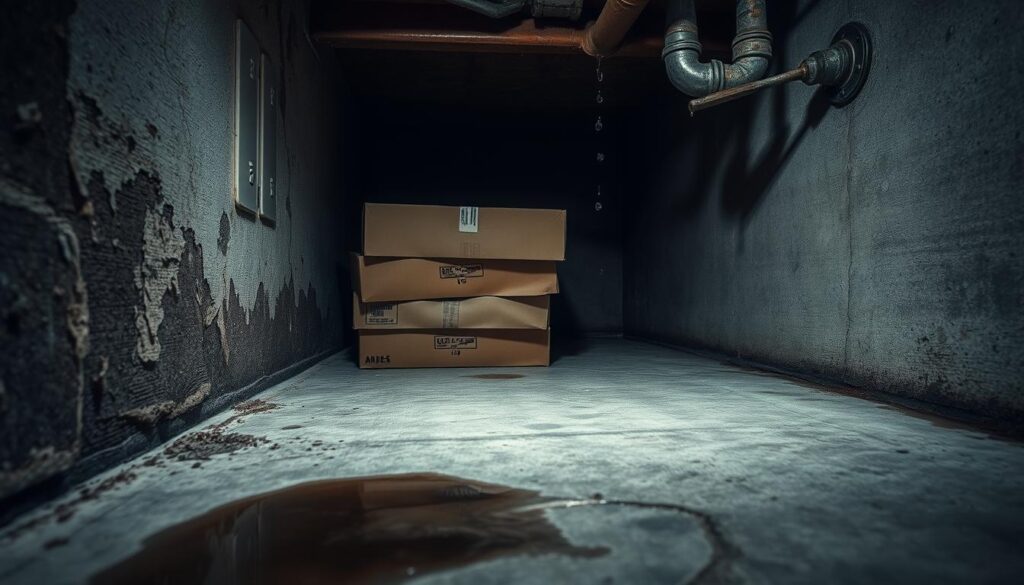
Your home communicates its condition through various signals. Paying attention to these clues can save you significant repair expenses.
Interior Indicators: Dampness, Cracks, and Musty Odors
Inside your lower level, several clear signs indicate moisture problems. Musty odors often signal mold growth, even when visible evidence is absent. These smells shouldn’t be present in a properly maintained space.
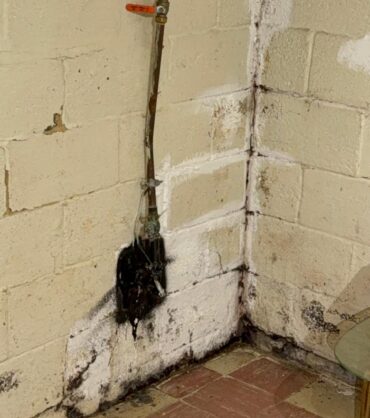
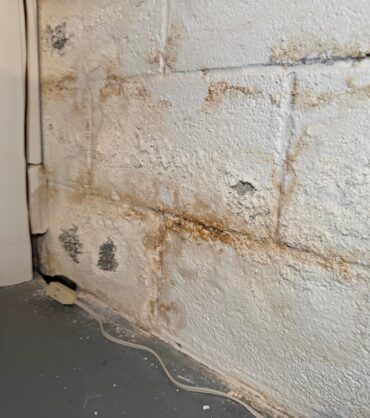
Visible cracks in walls or floors allow liquid penetration. White chalky stains on concrete surfaces, called efflorescence, show mineral deposits from evaporation. Peeling paint and crumbling materials also reveal excess humidity.
| Interior Warning Signs | Exterior Warning Signs | Recommended Action |
|---|---|---|
| Musty odors and damp air | Overflowing gutters | Immediate inspection needed |
| Wall and floor cracks | Improper landscape grading | Professional assessment required |
| Efflorescence on concrete | Clogged downspouts | Quick maintenance action |
Exterior Influences: Gutter, Landscape, and Drainage Issues
Outside your home, several factors contribute to interior moisture problems. Gutters filled with debris cause overflow during heavy rains. This directs liquid toward your foundation instead of away from it.
Landscape grading that slopes toward your home creates pooling around the base. Check for deteriorated sealant around pavement adjacent to your property. Proper exterior maintenance prevents many internal moisture issues.
DIY and Professional Repair Strategies
Discovering unwanted moisture in your foundation space requires immediate action and careful planning. We guide homeowners through both do-it-yourself approaches and situations needing expert intervention.
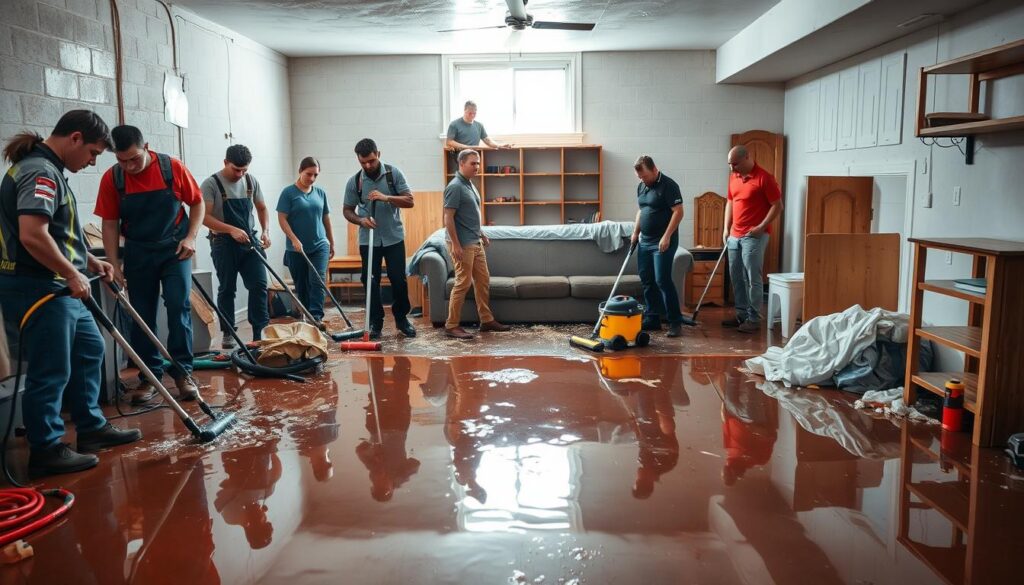
Safety comes first when addressing any moisture issue. Never enter standing liquid until electricity is safely shut off. Contact utility companies about potential gas leaks from extinguished pilot lights.
Step-by-Step Flood Cleanup Process
For minor incidents, follow this systematic approach:
- Assessment: Determine what can be salvaged versus items needing replacement
- Removal: Use extraction equipment or wet vacuums for standing moisture
- Drying: Employ fans and dehumidifiers to eliminate hidden dampness
- Cleaning: Use specialized products to address contaminants thoroughly
This methodical process helps prevent mold growth and ensures effective restoration. Repeat cleaning steps for complete sanitization.
When to Call Experts for Persistent Issues
DIY efforts work well for isolated problems. However, professional help becomes essential for recurring flooding or structural concerns. Extensive mold growth also requires specialized remediation.
We recommend expert assistance when you discover foundation cracks or need pump repairs. Comprehensive solutions address root causes rather than just symptoms. This approach protects your home long-term.
Effective Drainage and Waterproofing Solutions
Modern drainage technology offers homeowners reliable protection against common moisture challenges. We implement systems that work together to keep your foundation dry year-round.
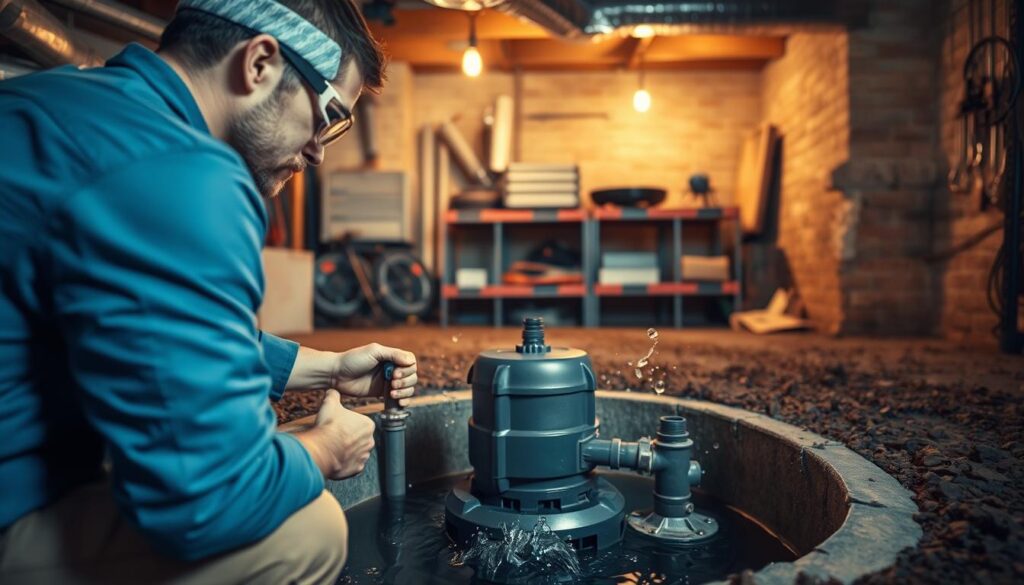
These solutions address both interior and exterior factors. They create a comprehensive defense against potential issues.
Installing Sump Pumps and Interior Drainage Systems
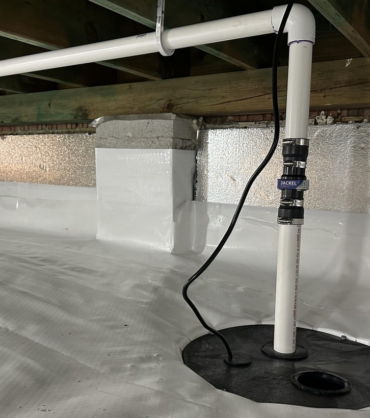
A sump pump system provides essential protection for lower levels. This equipment collects liquid in a basin and automatically pumps it away from your foundation.
We recommend testing your pump twice yearly. Follow manufacturer guidelines for optimal performance.
There are two main types of interior drainage systems:
| System Type | Installation Process | Protection Level |
|---|---|---|
| Above-Slab Perimeter | Installed at base of foundation walls | Good basic protection |
| Below-Slab Perimeter | Requires partial floor removal | Superior pressure relief |
The below-slab option relieves hydrostatic pressure before liquid reaches floor level. This makes it ideal for comprehensive protection.
Gutter Maintenance and Strategic Landscape Grading
Your exterior drainage strategy begins with proper gutter care. Gutters should be clear of debris to function effectively.
Downspouts must extend at least 10 feet from your home. This directs runoff away from your foundation properly.
“Proper landscape grading is often the most overlooked aspect of home protection.”
Your yard should slope away from the structure. Fill depressions near the foundation with clay-type soil for better drainage.
Maintain eight inches between ground level and any wood or stucco components. This prevents moisture wicking and material deterioration.
Building Long Term Protection for Your Basement
Building durable defense against moisture issues involves both routine upkeep and strategic waterproofing applications. We recommend a layered approach that combines regular monitoring with advanced barrier systems.
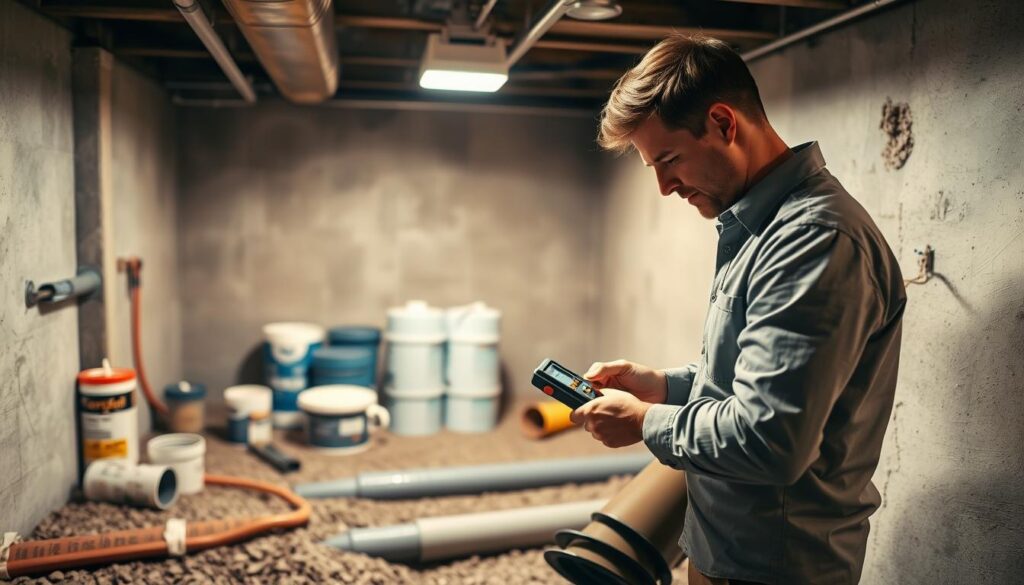
Expert Maintenance and Regular Inspections
Consistent monitoring helps prevent problems before they escalate. Our maintenance schedule covers seasonal tasks and critical system checks.
| Maintenance Task | Frequency | Importance Level | Professional Help Needed? |
|---|---|---|---|
| Disconnect outdoor hoses before freezing weather | Seasonal | High | No |
| Test sump pump systems | Twice yearly | Critical | Sometimes |
| Clean gutters and downspouts | Quarterly | High | No |
| Check for new foundation cracks | Monthly | Medium | If serious issues found |
| Monitor water pressure (keep below 100 psi) | Monthly | High | If regulator needed |
Utilizing Comprehensive Waterproofing Techniques
Advanced sealing methods provide multiple layers of protection. We apply thick coatings of paint and silicate-based sealers to concrete surfaces.
Interior drainage systems work with exterior solutions for complete coverage. Water alarms and automatic shutoff valves add smart protection against leaks.
Conclusion
Achieving lasting peace of mind about your home’s structural integrity requires a comprehensive approach. Our guide has shown you how to protect your property through early detection and proper maintenance.
Remember that moisture issues aren’t inevitable problems you must accept. With proper drainage systems, regular inspections, and timely interventions, you can maintain a dry, healthy environment. Addressing concerns quickly prevents more serious consequences.
We’re here to help you implement these solutions. Call our support center anytime at 1-833-888-2533 for immediate assistance or to schedule an inspection. Our team serves Washington DC, Rockville MD, North Bethesda MD, Manassas VA, and Ashburn VA with expert service.
By following these comprehensive strategies, you’ll enjoy the confidence of knowing your home is well-protected against moisture challenges in 2025 and beyond.
FAQ
How can I tell if I have a serious problem that needs professional help?
Look for clear warning signs like persistent standing water, visible mold growth, or major cracks in the concrete. A constant musty smell is also a big indicator. If DIY cleaning and drying don't solve it, it's time to call us for a thorough inspection and expert repair.
What is the best long-term solution to prevent flooding?
For lasting protection, we recommend a combined approach. This includes installing a reliable sump pump with a battery backup and an interior drainage system. We also focus on exterior solutions like making sure downspouts direct water well away from the house and that the landscape slopes correctly.
Can I handle the cleanup process myself after a minor leak?
Yes, for small incidents, you can start by removing any standing water and drying the area completely with fans and dehumidifiers. It's crucial to clean and disinfect surfaces to stop mold. However, if you're unsure about the source or extent of the issue, our service team is here to ensure the job is done right.
Why is regular maintenance so important for my home's foundation?
Regular check-ups help us catch small issues, like minor cracks or clogged gutters, before they turn into expensive repairs. A proactive maintenance plan protects your investment and gives you peace of mind, knowing your lower level is safeguarded against future water problems.