

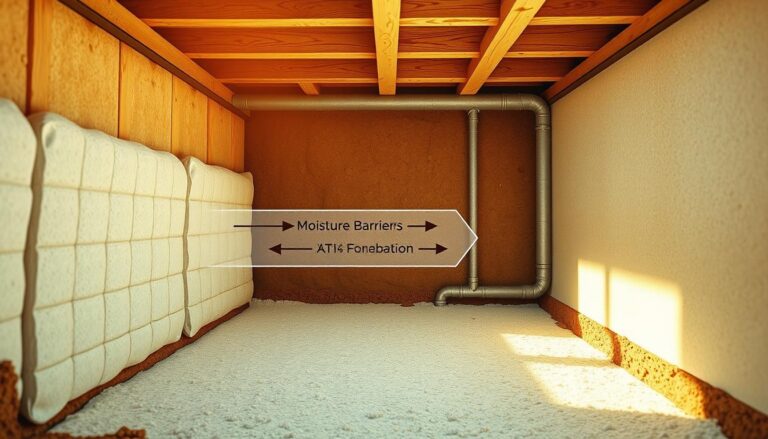
Did you know that a poorly managed area under your house can be responsible for up to 20% of your home’s total energy loss? This hidden zone plays a huge role in your comfort and your wallet.
We’re excited to share the most current and effective best practices for 2025. Properly addressing this area is essential because it directly impacts your home’s overall thermal performance, indoor air quality, and long-term structural integrity.
Whether you’re a DIY enthusiast or planning to hire professionals, this guide will walk you through everything. We’ll cover assessing your current situation, selecting the right materials, and implementing proven installation techniques.
Our goal is to help you achieve optimal energy efficiency, reduce utility costs, and create a healthier living environment. Let’s dive into the methods that will protect your investment.
Key Takeaways
- A significant amount of a home’s energy can be lost through an uninsulated crawl space.
- Proper insulation directly improves thermal performance and indoor air quality.
- This guide covers assessment, material selection, and installation techniques for 2025.
- The information is valuable for both DIY homeowners and those hiring professionals.
- Addressing this area leads to lower utility bills and a more comfortable living space.
- Modern methods focus on long-term structural integrity and avoiding common mistakes.
Introduction to Crawl Space Insulation
Understanding what lies beneath your floors is essential for maintaining a comfortable and efficient living environment. This foundational zone plays a crucial role in your home’s overall performance.
What Is a Crawl Space?
A crawl space is a shallow, unfinished area beneath your home, typically ranging from 18 inches to 4 feet high. It provides access to vital systems like plumbing, electrical wiring, and HVAC ductwork.
Unlike basements that benefit from being partially buried, these areas are more exposed to temperature changes and moisture. This makes proper treatment absolutely critical for home protection.
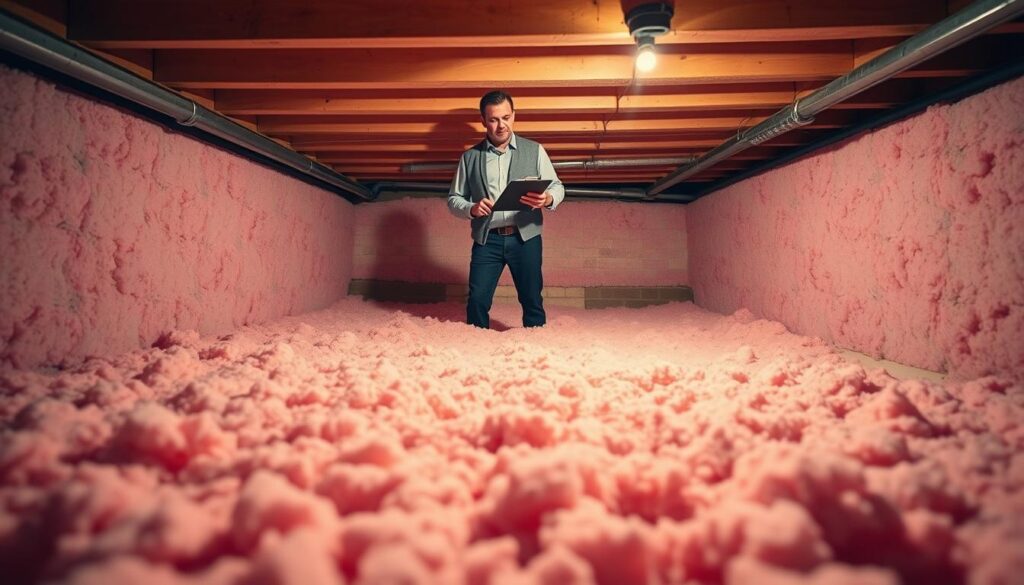
Benefits of Proper Insulation
The advantages of correctly insulating your foundation area are substantial. You’ll notice improved energy efficiency and lower utility bills throughout the year.
Proper installation protects plumbing from freezing during winter months. It also significantly reduces the risk of mold growth that can affect your indoor air quality.
| Feature | Vented Crawl Spaces | Unvented Crawl Spaces |
|---|---|---|
| Air Circulation | Uses outside air vents | Completely sealed system |
| Moisture Control | Can cause condensation issues | Superior moisture management |
| Energy Efficiency | Less efficient in humid climates | Better thermal performance |
| Modern Preference | Traditional approach | Current best practice |
“A well-insulated foundation area transforms home comfort by eliminating cold floors in winter and reducing summer humidity problems.”
Many people are surprised to learn that 15-20% of home energy loss occurs through untreated foundation zones. Quality materials create an effective thermal barrier that maintains consistent temperatures.
Assessing Your Crawl Space Condition
Proper preparation starts with understanding exactly what you’re working with beneath your home. We need to evaluate your foundation area thoroughly before discussing installation methods.
This assessment helps identify existing issues that could undermine your project’s success. Addressing problems early ensures long-lasting results.
Identifying Vented and Unvented Crawl Spaces
The first critical distinction involves determining your foundation’s ventilation system. Vented areas have openings in the foundation walls for outside air circulation.
While once considered standard practice, vented systems often create moisture issues in humid climates. Unvented or encapsulated spaces are completely sealed from outdoor air.

Sealed environments provide superior moisture control and better thermal performance. This approach significantly reduces condensation problems and improves indoor air quality.
Common Moisture and Structural Issues
During inspection, look carefully for these warning signs:
- Standing water or visible water stains
- Musty odors or visible mold growth
- Damaged or sagging materials
- Wood rot or pest infestations
Moisture remains the primary enemy of foundation health. Before any work begins, eliminate water sources by extending downspouts and ensuring proper drainage.
If you discover significant problems during assessment, we recommend professional consultation. Addressing these issues first creates the ideal foundation for successful installation.
Essential Crawl Space Insulation Techniques
The techniques you employ for your home’s under-floor area will determine long-term performance and energy savings. We’ll guide you through material selection and installation options.
Choosing the Right Materials
Closed-cell spray foam stands as the premium choice for foundation areas. It creates a seamless moisture barrier and expands to fill every gap.
Rigid foam panels offer excellent value for flat concrete walls. They provide strong thermal resistance when properly sealed at the seams.
We must address fiberglass batts honestly. While affordable, they absorb moisture and can lead to mold issues. They often sag and fail over time.
DIY Versus Professional Installation
Foam board installation can be a reasonable DIY project for handy homeowners. Flat foundation walls make this approach manageable.
Spray foam applications almost always require professional equipment and expertise. The mixing ratios and application techniques need specialized knowledge.
Consider your long-term goals when choosing installation methods. Professional work with quality materials often justifies the initial investment through lasting performance.
Best Practices for Crawl Space Insulation
Achieving optimal performance from your foundation treatment requires attention to critical installation details that many overlook. Proper execution ensures long-term protection and energy savings.
Installing Effective Vapor Barriers
We recommend using at least 6-mil thick polyethylene plastic sheeting for your moisture barrier. Thicker 10-mil or 20-mil options provide superior durability against punctures.
Cover the entire floor area completely with no gaps. Overlap all seams by at least 6 inches and extend the material several inches up the foundation walls.

Secure the edges permanently using 1×3 wood strapping and masonry screws. Use high-quality waterproof tape on all seams to create a continuous moisture barrier.
Sealing Gaps and Preventing Air Leaks
Expanding polyurethane foam works perfectly for filling cracks around pipes, wires, and perimeter gaps. Pay special attention to where floor joists meet foundation walls.
When using rigid foam panels, seal every seam with specialized foam insulation tape. This creates the airtight seal necessary for maximum efficiency.
Current building codes often require conditioned air circulation in unvented areas. This can be achieved through supply registers or exhaust fans.
| Sealing Method | Best Use Cases | Effectiveness Rating |
|---|---|---|
| Expanding Foam | Gaps around pipes and perimeter | Excellent |
| Waterproof Tape | Vapor barrier seams | Superior |
| Foam Board Tape | Panel seams on walls | Very Good |
| Wood Strapping | Securing barrier edges | Permanent |
Maintenance and Long-Term Energy Efficiency
The real value of foundation treatment emerges through diligent upkeep that preserves energy savings year after year. Proper maintenance ensures your investment continues to deliver optimal performance.

Regular Inspections and Upkeep
We recommend thorough annual checks of your foundation area. Look for water stains, musty odors, or pest activity that could compromise your system.
During inspections, examine insulation materials for damage or shifting. Check vapor barriers for tears and ensure all seals remain intact. Addressing small issues promptly prevents major problems later.
Moisture Control and Pest Prevention
Moisture management remains critical even after installation. Consider a quality dehumidifier rated for foundation use, especially in humid climates.
Pest prevention protects your investment. Seal potential entry points and monitor for rodent or insect activity that could damage materials.
The Department of Energy estimates proper home insulation can reduce energy bills by 10-15%. For many homeowners, this translates to nearly $200 in annual savings.
Staying proactive with maintenance ensures consistent efficiency and protects your home’s structural integrity. Regular care prevents costly repairs while maintaining comfortable living conditions.
Contact and Support Information
Ready to transform your home’s foundation area with professional support? Our team is here to guide you through every step of your project. We understand that proper treatment requires expert knowledge and reliable service.
Whether you’re planning a DIY project or need full professional installation, we’re your trusted resource. Our experienced specialists provide personalized advice tailored to your specific situation.
Call Support Center 24/7: 1-833 888 2533
Questions can arise at any time, which is why our support center operates 24 hours daily. Call 1-833 888 2533 for immediate assistance with your foundation needs.
Our friendly representatives can schedule consultations, answer technical questions, or connect you with local service teams. We make accessing expert guidance simple and convenient.
Our Office Locations and Email Contact
We proudly serve homeowners throughout the Washington DC metropolitan region. Our strategically located offices ensure prompt service to your neighborhood:
- Washington, DC: 2315 Wisconsin Ave NW, Washington, DC 20007
- Rockville, MD: 330 N Stonestreet Ave, Unit S Rockville MD, 20850
- North Bethesda, MD: 5014 Nicholson Ln, Rockville, MD 20852
- Manassas, VA: 10748 Sudley Manor Dr, Manassas, VA 20109
- Ashburn, VA: 44121 Leesburg Pike Unit 170, Ashburn, VA 20147
For detailed estimates or non-urgent inquiries, email us at info@dmvwp.com. Our team responds promptly to all messages with comprehensive information.
“Proper foundation treatment begins with expert guidance—we’re committed to providing the support your home deserves.”
From initial assessment to final inspection, we’re here to ensure your project delivers lasting results. Contact us today to start your journey toward better home efficiency.
Conclusion
Taking control of your home’s foundation area represents one of the smartest investments you can make for long-term comfort and savings. Proper treatment creates a ripple effect of benefits throughout your entire living environment.
Remember that successful foundation work isn’t just about materials—it’s a complete system approach. Quality vapor barriers, thorough sealing, and moisture management work together for optimal performance.
The potential energy savings of 10-15% can help your investment pay for itself over time. Whether you choose a DIY approach or professional installation, the key is proper execution with the right techniques.
We encourage you to take action today. If you need guidance tailored to your specific situation, our team is ready to help transform your foundation into an asset that contributes to your home’s comfort year-round.
FAQ
How do we know if our home has a vented or unvented crawl space?
Check for vents along the foundation walls. If you see them, it's vented. An unvented system is sealed, which is often better for controlling humidity and air quality.
What's the best material for insulating crawl space walls?
For maximum air sealing, we recommend spray foam insulation. Rigid foam board is another great option. Fiberglass batts can be used but require a perfect vapor barrier to avoid moisture problems.
Can we install this insulation ourselves, or should we hire a pro?
A DIY approach is possible with foam board or batts if you're handy. However, for spray foam or complex moisture issues, we strongly suggest professional installation for optimal results and safety.
Why is a vapor barrier so important in this process?
This barrier is crucial. It blocks ground moisture from rising into your living area, which protects the insulation and improves your home's overall air quality and energy efficiency.
What kind of maintenance does an insulated crawl space need?
We advise a quick inspection yearly. Look for pests, check that the vapor barrier is intact, and ensure there are no new air leaks or signs of water damage to maintain peak performance.
How can we get help or more information?
We're here for you! Call our support center anytime at 1-833-888-2533. You can also reach out to our local offices via the contact information on our website.
![[GetPaidStock.com]-680786795b816](https://dmvwp.com/wp-content/uploads/2025/04/GetPaidStock.com-680786795b816-370x418.jpg "[GetPaidStock.com]-680786795b816")
![[GetPaidStock.com]-682c400c87c15](https://dmvwp.com/wp-content/uploads/2025/04/GetPaidStock.com-682c400c87c15-370x418.jpg "[GetPaidStock.com]-682c400c87c15")
![[GetPaidStock.com]-682c413fa898e](https://dmvwp.com/wp-content/uploads/2025/03/GetPaidStock.com-682c413fa898e-370x418.jpg "[GetPaidStock.com]-682c413fa898e")