
Basement Waterproofing Systems Built to Perform in 2025

Basement Waterproofing Systems Built to Perform in 2025

basement waterproofing

Did you know that over 98% of homes with below-ground spaces will experience some form of water intrusion during their lifetime? That startling statistic highlights a nearly universal challenge for property owners. When moisture finds its way in, it can quietly create serious issues.

We understand how stressful discovering a damp or wet area can be. Unchecked dampness doesn’t just cause discomfort; it can lead to mold growth and even threaten your home’s structural integrity over time. Protecting this valuable part of your property is crucial for maintaining its health and value.

This guide is designed to walk you through everything you need to know. We’ll cover how to spot the earliest warning signs and explore effective solutions to keep the area dry. Our goal is to empower you with knowledge, whether you’re considering a simple DIY project or a comprehensive professional system.

Remember, we’re here to help 24/7 at 1-833 888 2533. Water problems don’t keep business hours, and neither does our support. Let’s get started on transforming your space into a dry, healthy asset.

Key Takeaways

  • Water intrusion is an extremely common issue that affects the vast majority of homes with below-ground spaces.
  • Ignoring moisture problems can lead to health hazards like mold and compromise your home’s foundation.
  • Early detection of warning signs is key to preventing expensive damage and repairs.
  • Solutions range from simple do-it-yourself methods to full-scale professional installations.
  • Protecting this area is an investment in your property’s long-term health and value.
  • Expert guidance is available around the clock to assist with any concerns you may have.

Understanding Basement Waterproofing Challenges

Several key factors combine to create the perfect storm for water issues in below-ground living spaces. Understanding these challenges helps us develop effective waterproofing strategies that address root causes.

Common Causes of Water Intrusion

Water finds its way through the smallest openings. Foundation cracks develop from settling homes or temperature changes. These openings allow moisture to seep through walls.

Hydrostatic pressure pushes groundwater through porous concrete. This occurs when soil becomes saturated around your foundation. The pressure forces water through any available pathway.

Cause Type Key Characteristics Primary Solutions
Foundation Cracks Visible gaps in concrete, settling patterns Crack injection, wall reinforcement
Poor Drainage Pooling water, soggy soil near foundation French drains, proper grading
Hydrostatic Pressure Water seepage through floor, damp walls Sump pump installation, exterior drainage
Landscape Issues Ground sloping toward house, wet basement after rain Regrading, extended downspouts

Environmental and Structural Factors

Your local environment plays a crucial role. Heavy rainfall and snow melt overwhelm existing systems. Clay-based soil holds moisture against foundation walls.

Structural elements like gutters and downspouts direct water flow. When these systems fail, water accumulates near vulnerable areas. This affects both basement and crawl space environments.

We consider all these factors when addressing moisture issues. A comprehensive approach ensures long-term protection for your home.

Spotting Early Signs of Basement Water Problems

Early detection of moisture issues is your best defense against costly structural repairs. Many homeowners miss subtle warning signs until significant damage occurs. We want to help you recognize these indicators before problems escalate.

Mold and Mildew Detection

Musty odors often provide the first clue that moisture is accumulating. That distinctive damp smell signals potential mold growth even before visible signs appear.

Look for fuzzy patches or black spots in corners and along walls. Mold mildew typically develops where moisture collects. This growth can affect your family’s health if left untreated.

early signs of basement water problems

Efflorescence and Dampness Indicators

White, chalky deposits on your basement walls or floor indicate water movement through concrete. This efflorescence forms when moisture evaporates and leaves mineral residues behind.

Damp spots or water stains on surfaces are obvious red flags. Pay attention to peeling paint or bubbling wallpaper. These signs confirm that water damage is occurring.

Condensation and Cracked Foundations

Excessive condensation on windows or pipes suggests high humidity levels. While some moisture is normal, persistent condensation requires attention.

Cracks in foundation walls or floors allow water seepage. Warped wood elements or swollen door frames indicate long-term moisture exposure. These structural changes need immediate professional assessment.

Inspecting Your Basement for Waterproofing Needs

Before implementing any solutions, a detailed assessment reveals exactly what you’re dealing with. A thorough examination helps us identify specific problem areas and recommend the right approach for your situation.

Timing matters when checking for moisture issues. The ideal moment is during or after heavy rainfall. This reveals how your current drainage system performs under pressure.

Interior Inspection Checklist

Start inside by examining all surfaces carefully. Look for cracks, water stains, and damp spots on walls and floor. Pay special attention to where the floor meets walls.

Check ceiling areas for water spots or sagging. These can indicate leaks from above or moisture traveling along foundation surfaces. Don’t forget hidden corners where mold might develop.

Area What to Look For Diagnostic Tools
Walls Cracks, efflorescence, dampness Aluminum foil test
Floor Stains, pooling, discoloration Moisture meter
Ceiling Sagging, spots, rotting beams Visual inspection
Air Quality Musty odors, condensation Hygrometer

Exterior Inspection Guidelines

Walk around your home’s foundation looking for visible issues. Check for cracks, settling soil, or areas where erosion has occurred. Ensure gutters and downspouts direct water away from the structure.

We recommend the aluminum foil test for tricky moisture problems. Tape a square foot to your wall for 24 hours. Condensation on the outside means humid air—on the concrete side indicates seepage.

Taking time for proper inspection prevents applying one-size-fits-all solutions that might not address your specific needs.

Comprehensive Basement Waterproofing Solutions

Modern home protection involves both interior and exterior approaches working together. We create custom plans that combine multiple techniques for complete moisture control.

comprehensive basement waterproofing solutions

Our comprehensive solutions address water problems from every angle. This dual approach ensures long-lasting protection for your property.

Interior Waterproofing Techniques

Interior methods focus on managing moisture that enters your space. We begin by sealing cracks with appropriate materials for different sizes.

Smaller gaps receive silicone caulk, while larger openings need hydraulic cement. This creates flexible, watertight seals that move with your concrete.

We apply waterproof masonry cement in multiple coats to seal porous surfaces. For serious water issues, interior drainage systems like WaterGuard intercept moisture at floor-wall junctions.

Exterior Waterproofing Methods

Exterior solutions prevent water from reaching your foundation entirely. Proper yard grading directs water away from your home’s structure.

French drain systems redirect groundwater effectively. We extend downspouts to keep rainwater at a safe distance from vulnerable areas.

Exterior coatings provide excellent defense against hydrostatic pressure. Though more involved, this method offers superior protection for challenging conditions.

The right combination depends on your specific situation and budget. We’ll help determine which approaches will create the dry, healthy space you deserve.

DIY vs. Professional Waterproofing Options

Homeowners often face the decision of whether to tackle moisture issues themselves or hire experts. Understanding this choice can save you both time and money while ensuring proper results.

Many simple tasks are genuinely DIY-friendly. Applying sealants, waterproof paints, or caulking small cracks requires basic tools from your local hardware store. These solutions typically cost under $100 and work well for minor moisture problems.

Cleaning gutters, extending downspouts, and regrading your lawn are also projects most homeowners can handle. These preventive measures address common water issues effectively.

When to Call a Professional

However, we strongly recommend professional help for serious situations. Extensive foundation cracks, severe water intrusion, or chronic wet conditions need expert assessment.

Installing complex systems like French drains or sump pumps requires specialized knowledge. Professionals bring the right equipment and experience for lasting solutions.

We’ve seen many cases where DIY fixes addressed symptoms but not root causes. Calling experts from the start often saves resources long-term.

If you’re unsure about your situation, we encourage you to reach out. Our team provides honest guidance about the best approach for your specific needs.

Sump Pump Installation and Maintenance

In areas prone to flooding or with high water tables, installing the right pumping equipment can mean the difference between a dry space and costly damage. We consider this system a critical component of comprehensive protection for below-ground areas.

Choosing the correct equipment depends on your specific needs and local conditions. We evaluate factors like frequency of water issues and power reliability.

Choosing the Right Sump Pump

Submersible models sit inside the pit and offer quiet, powerful performance for frequent water problems. Pedestal types work well for smaller spaces with occasional moisture issues.

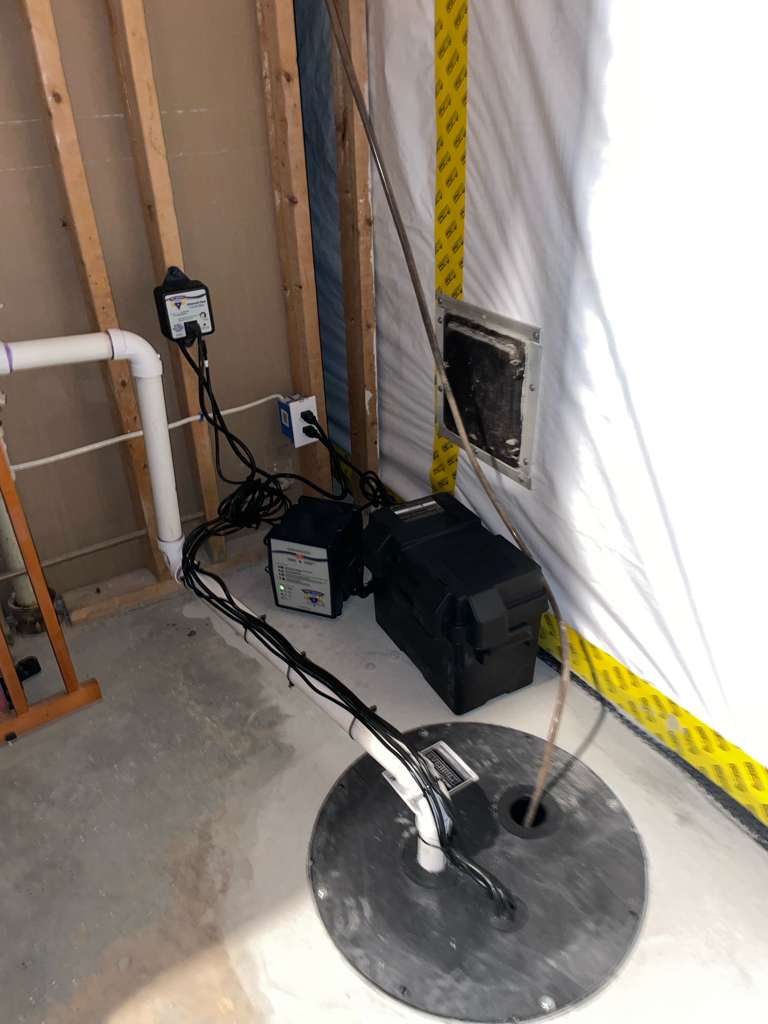
We strongly recommend battery backup systems like UltraSump for severe weather protection. These can remove thousands of gallons per hour during power outages.

Advanced options like TripleSafe provide multiple layers of protection. This ensures your space stays dry even during extreme conditions.

Maintenance Tips for Sump Pumps

Regular testing every three to four months keeps your system reliable. Simply pour water into the pit to verify proper activation.

Check that discharge pipes direct water at least 15 feet from your foundation. Clean the pit regularly and inspect float mechanisms for smooth operation.

Replace backup batteries every two years for consistent performance. Proper maintenance protects your investment and maintains a dry basement year-round.

Quality installation typically costs $1,500-$2,500 but prevents thousands in potential damage. This waterproofing investment delivers long-term peace of mind.

Improving Yard Drainage and Exterior Waterproofing

The landscape surrounding your home plays a more critical role in moisture control than many homeowners realize. Proper exterior drainage creates your first line of defense against water intrusion. We focus on redirecting moisture away from your foundation before it can cause problems.

Yard Grading and French Drain Installation

Your ground should slope away from the foundation at a minimum rate of six inches over ten feet. This natural grading directs rainwater and snowmelt away from vulnerable areas. Add quality soil to low spots near your home to create proper drainage.

For persistent water issues, French drain systems provide excellent solutions. These underground networks use perforated pipes surrounded by gravel to collect and channel water. Installation costs typically range from $10 to $100 per linear foot.

Clay-based soil requires special attention since it doesn’t absorb water well. We often implement surface drainage with shallow trenches called swales. These guide water to dry wells or runoff areas in your yard’s lowest corner.

Gutter and Downspout Upgrades

Your gutter system plays a crucial role in protecting your foundation. Clean gutters at least twice yearly and install quality leaf guards to prevent clogs. Ensure downspouts extend at least 15 feet away from your home.

For maximum protection in heavy rainfall areas, consider underground drainage pipes. These connect to downspouts and carry water even further from problem areas. Homes without traditional gutters can benefit from collection systems along the roof’s drip line.

These exterior improvements not only protect your basement but also preserve your foundation’s integrity. We’re here to help assess which drainage solutions make the most sense for your specific situation.

Preventative Maintenance for a Dry Basement

A proactive maintenance schedule transforms your moisture control system from temporary fix to permanent solution. Regular care ensures your investment continues to protect your home effectively year after year.

We believe ongoing attention prevents small issues from becoming expensive disasters. Establishing consistent routines helps homeowners maintain that coveted dry basement environment.

preventative maintenance for dry basement

Routine Inspections and System Checks

Your sump pump deserves regular testing every three to four months. Simply pour water into the pit to verify proper activation. Check that discharge lines direct water away from your foundation.

Monitor humidity levels with a hygrometer. Keep relative humidity below 50% to prevent mold growth. Quality dehumidifiers make this task simple and effective.

Interior inspections should happen annually and after heavy rain. Look for new moisture, cracks, or efflorescence. These signs indicate if your system needs attention.

Maintenance Task Frequency Key Actions
Exterior Foundation Check Twice Yearly Look for cracks, soil settling
Gutter Cleaning Twice Yearly Prevent overflow near foundation
Sump Pump Test Every 3-4 Months Verify activation, clear lines
Interior Inspection Annually + After Rain Check for moisture, new cracks

Simple habits make a big difference over time. Fix leaky pipes promptly and avoid storing wet items below ground. Proper HVAC maintenance and exhaust fans in laundry areas help control moisture.

Cost Considerations for Basement Waterproofing

The price range for comprehensive moisture control solutions varies significantly based on multiple factors that affect your final costs. We want to provide clear financial guidance so you can plan effectively.

Your investment depends on space size, problem severity, and chosen methods. Geographic location and labor rates also influence pricing.

DIY Versus Professional Costs

Handling minor issues yourself can save substantial money. Sealing small foundation cracks or applying protective coatings to your concrete floor might cost just a few hundred dollars in materials.

Professional installation brings expertise for complex situations. Extensive French drain systems or major foundation repairs require specialized equipment. These projects typically range from $5,000 to $10,000 for average-sized areas.

Budgeting for Repairs and Upgrades

We recommend addressing critical problems first to prevent escalating damage. Combining related projects often reduces overall labor expenses.

Getting multiple quotes helps compare approaches and pricing. Quality moisture protection now prevents costly structural issues later. This investment protects your home’s value long-term.

Contact and Support Information

Our commitment to customer service extends beyond just installation. We’re here for you throughout your entire home protection journey with comprehensive support options.


24/7 Support Hotline – 1-833 888 2533

Water emergencies don’t follow business hours. That’s why our support line operates around the clock. Call 1-833 888 2533 anytime for immediate assistance.

Whether you need urgent help or just have questions, our team provides expert guidance. We understand how stressful moisture issues can be for homeowners.

Office Locations in Washington, DC, MD, and VA

We maintain multiple convenient locations throughout the DMV region. This local presence helps us serve your specific needs effectively.

City Address State
Washington 2315 Wisconsin Ave NW DC 20007
Rockville 330 N Stonestreet Ave, Unit S MD 20850
North Bethesda 5014 Nicholson Ln MD 20852
Manassas 10748 Sudley Manor Dr VA 20109
Ashburn 44121 Leesburg Pike Unit 170 VA 20147

Email Us at info@dmvwp.com

For detailed project consultations or non-urgent inquiries, email info@dmvwp.com. We respond promptly with the information you need.

Our team helps you make informed decisions about protecting your home. Don’t let water problems compromise your peace of mind.

Conclusion

Investing in proper protection now prevents costly repairs and preserves your home’s foundation integrity. We hope this guide has given you confidence to address moisture challenges effectively.

Creating a waterproof basement protects your entire property from water damage. Even small issues can grow over time into major foundation problems. Modern solutions keep your space reliably dry.

Whether you start with simple DIY fixes or professional basement waterproofing, taking action saves money long-term. Regular maintenance ensures lasting protection for your home.

Remember, we’re here 24/7 at 1-833 888 2533 for any questions or emergencies. Protect your investment and enjoy peace of mind with a truly dry basement.

FAQ


A sump pump is a crucial part of many waterproofing systems. It sits in a specially dug pit (a sump basin) and automatically activates to collect and pump water away from your foundation. This prevents flooding and controls hydrostatic pressure, which is a primary cause of leaks.

Interior techniques, like installing a French drain or applying sealants, manage water that has already entered the space. Exterior methods are more comprehensive; they involve excavating soil around the home to apply membranes and address the root cause by directing water away from the foundation before it can seep in.

Some minor tasks, like improving your yard's grading or cleaning gutters, are great DIY projects. However, for major issues like foundation cracks, significant mold growth, or installing a complex drainage system, we strongly recommend calling a professional. This ensures the job is done correctly and protects your home's structural integrity.

We suggest a quick check every few months. Simply pour a bucket of water into the sump pit to ensure the pump activates and drains it properly. It's also wise to clean the pit and inspect the pump for debris at least once a year to prevent clogs and failures.

The final price depends on the size of your space, the extent of the damage, and the solutions needed. A simple interior sealant job costs less than a full exterior excavation with a new drainage system. We provide free, detailed estimates so you can make an informed decision for your budget.

Leave A Comment

Your email address will not be published. Required fields are marked *

x

Free Inspection

Blank Form (#3) (#4)